
Catering software
The software that runs the business, not the cooking.
Check a date with Fig & Thistle
The days they can take a booking, and the markets they are out at.
Saturday
12 September
Two bookings already on this day.
Already on
- Come and find us
- Private bookingConfirmed11am–4pm
- Private bookingConfirmed6pm–11.30pm
Saturday is full because two jobs are on. Your customer sees a shape and a time — never who, never where.
The four moments
Four places a catering job goes wrong
Not features. The parts of the week that cost you money, in the order they happen.
- 01
You cannot say yes quickly
The enquiry asks about a Saturday in March. Answering means checking a calendar, a roster and your own memory — so the reply takes a day, and the fast caterer got the job.
- 02
You price it by feel
A number that sounds right, built from last year’s number. Whether it covers the food, the crew, the travel and the gas is something you find out afterwards, if at all.
- 03
It changes, and everything drifts
Head count moves from 80 to 110 a fortnight out. The quote, the shopping, the crew and the invoice all have to move with it, and each one is a separate act of remembering.
- 04
You never learn what it made
The money came in and the money went out, in different weeks, into one bank account. Which jobs were worth doing is a feeling rather than a figure.
How it works
One path, from the enquiry to the money
Each step hands the next one everything it needs, which is the only reason it is faster than doing it by hand.
Card details handled securely by Stripe
Nothing is charged until your caterer confirms
Issued automatically when the balance cleared
The enquiry lands
From your own site, your booking page or an embedded widget — already carrying the date, the head count and the service.
The quote builds itself
Priced from your menu and your packages, against what the ingredients actually cost, so the margin is visible before you send it.
The deposit confirms it
The customer accepts and pays in their own portal. The lead becomes a booked job without you re-typing any of it.
The day runs, and reports back
Crew rostered, the run sheet printed, and afterwards a profit figure for that event rather than for the month.
From your phone
Caterers are not sitting at desks. Neither is their crew.
Two things follow from that, and most catering software gets both wrong.
A real app, not a squeezed desktop
The day, the money, the menus, the team, the orders and the pipeline are all built for a phone — because that is where you are when you need them.
Your crew need no account
A callout arrives as a text. They tap yes or no, and the answer lands on the board. Casual staff will never install an app, and they do not have to — which also means putting the whole crew on it does not change your bill.
What the job made
The P&L builds itself, and says what it cannot know
The menu you priced from is the menu it costs from. Each line resolves against what you actually paid, rolls up, and the day reports back — until a cost it cannot derive, which it names rather than calling zero.
Margin withheld — one cost is unknown, so this is not what the job made.
How a number is graded
An estimate says it is an estimate
Every figure the software works out carries where it came from. A price it measured and a price it guessed do not get to look the same, because one of them is a number you would quote a customer from.
03 — In their words
Caterers who love CaterCloud
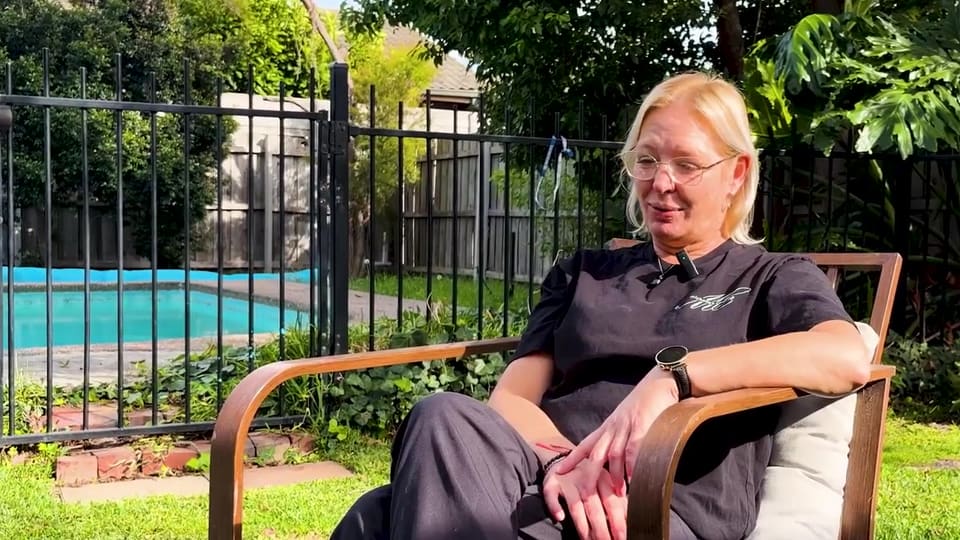
“The moment I realised this was actually working was waking up in the morning and having the leads in my inbox already — without chasing the business. I've gone from one booking a month to three or four.”
Michelle
Owner, Michelle's Catering
50–60% of leads converted
“I run three businesses, so chasing quotes and back-of-house was really hard work. Now people order and pay through the website and get a quote instantly — I don't have to lift a finger.”
Mel
Owner, Junction Cafes
2–3 a day enquiries, was 2–3 a week · admin halved

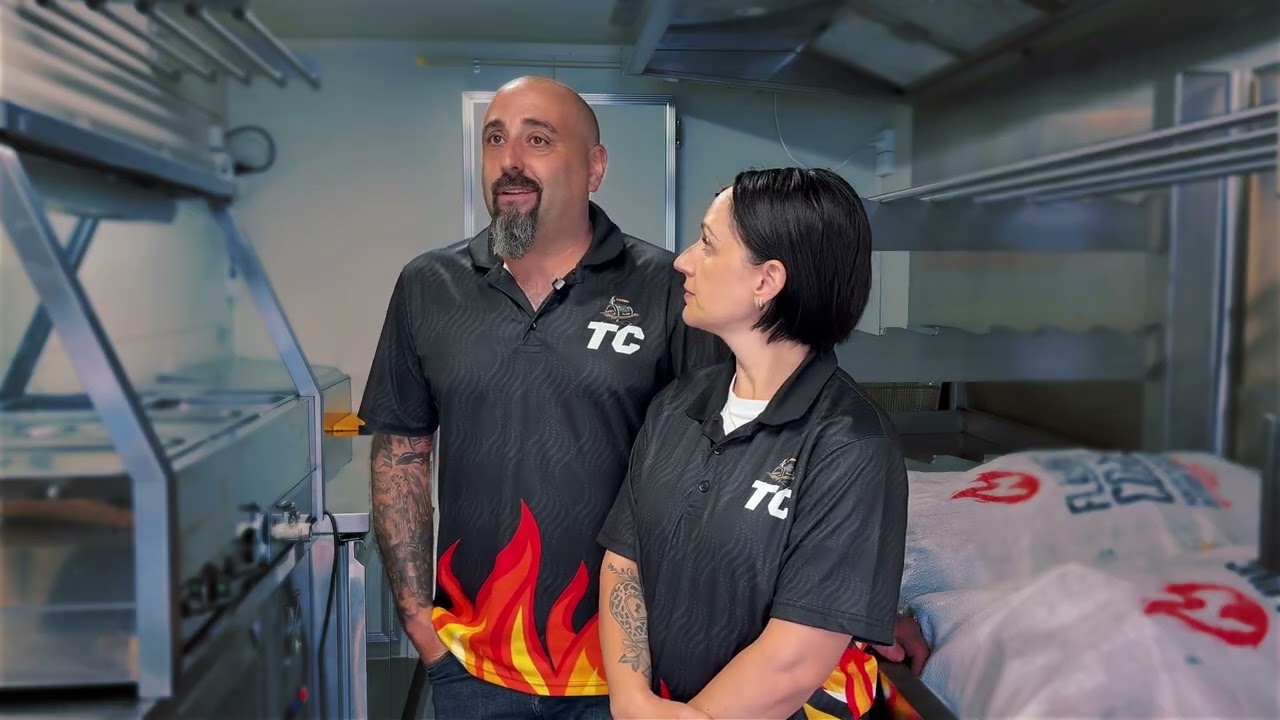
“This software does it all for us — our invoicing's done, our payment schedules are done, the quoting tool's there. We can be asleep and still get leads. Without it, our truck would be sitting in the backyard not generating revenue.”
Steve & Amanda
Owners, Travelling Carnivores
45–55 quotes sent / month
“We've collected $40k just in deposits. Our calendar is filling up — we're actually in the process of getting a second van. One job alone basically paid for the whole system.”
Jacinto
Owner, Spanish Paella & Sangria
$40k in deposits

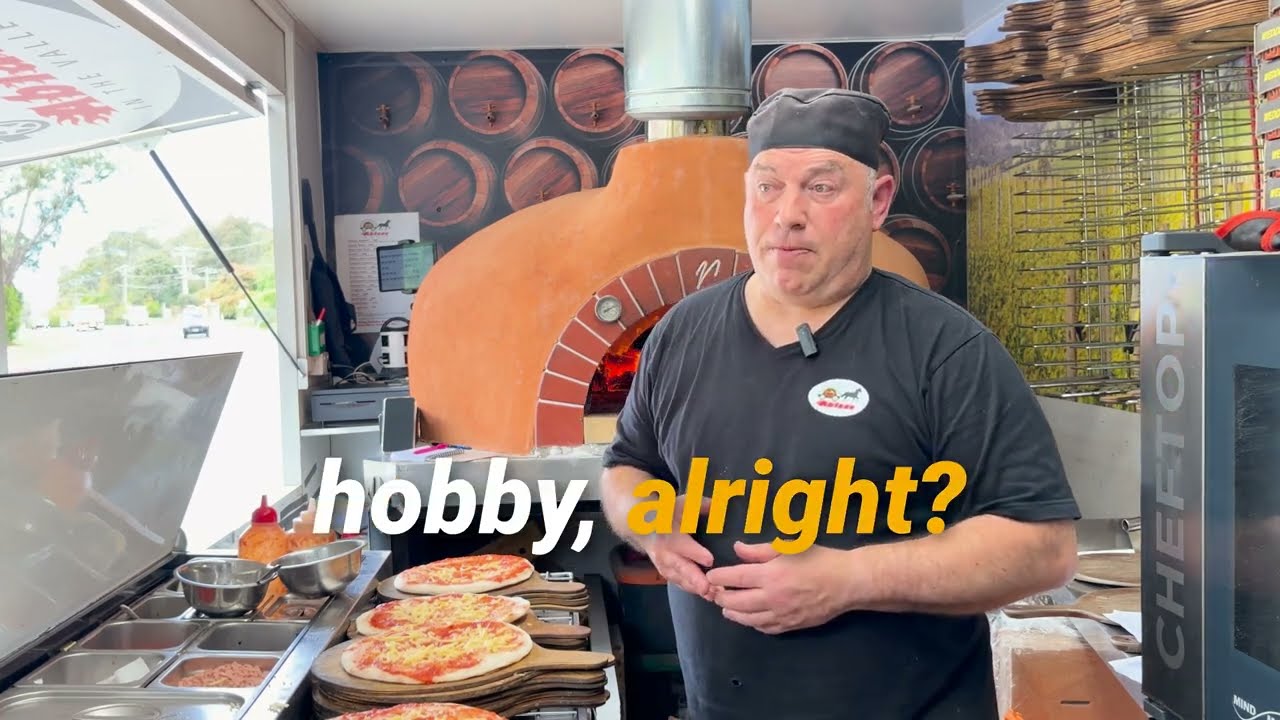
“These guys know how to improve your web page and the inquiries coming in. I'm three months into next year already confirmed — that's never happened in 12 years.”
Stephen
Woodfired pizza, Ablaze in the Valley
Who it is not for
Where CaterCloud is the wrong answer
Said plainly, because finding out in month two is worse for both of us.
You need a point of sale
CaterCloud does not run a till or take counter payments. If your problem is a queue at a window rather than a diary of booked jobs, a POS is what you want.
You want to build on an API
There is no public API, no API keys and no SDK. If your plan depends on wiring CaterCloud into your own systems, it cannot be done today.
You are a restaurant with table service
The whole model is an event with a date, a head count and a quote. A dining room does not have those, and nothing here would fit.
In detail
The parts, each on its own page
Same system, described in the words you would search for if you were only looking for one piece of it.
Catering CRM
A CRM that understands a date, a head count and a deposit — not a generic sales pipeline with catering bolted on.
Read moreCatering Quote Software
Price from your menu, against real food cost, with day-based rates. See the margin before you press send.
Read moreCatering Booking Software
Your real availability on your own website, a date a customer can take, and a deposit that confirms it.
Read moreCatering Event Management Software
Load out, set up, service, pack down — the day planned to the hour, and it prints.
Read moreCatering Invoicing Software
Quote, deposit, balance, paid — one job’s money in one place, with no number typed twice.
Read moreCatering Staff Scheduling Software
A short shift, a text, one tap. Rostering that casual crew will actually use, with no seat on your bill.
Read moreCatering App for Your Phone — And Your Crew
The whole system on your phone. Your crew get their run as a message — no app, no login, no seat on your bill.
Read moreCatering Software for Small Business
Free to start, flat monthly, no per-seat charge. Built for operators who are also the kitchen.
Read moreQuestions
What people ask before they start
- What is catering software?
- Software that runs the parts of a catering business that are not cooking: the enquiry that arrives, the quote you send back, the deposit that confirms it, the crew you roster, and what the job actually made once the food and the labour are counted. Most operators do these in a spreadsheet, a calendar and an inbox that do not talk to each other.
- What should catering software include?
- At minimum: real availability so you stop quoting days you cannot work, quoting that prices from your own menu rather than a blank template, a deposit that converts an enquiry into a booking, rostering for the crew, and a per-event profit figure. If it cannot tell you what a job made, it is a calendar with extra steps.
- How is catering software different from a generic CRM?
- A generic CRM has no concept of a date that can be double-booked, a quote that reprices when the head count moves, or a deposit that turns a lead into a confirmed job. It models a sales pipeline; catering is a scheduling and costing problem with a sales pipeline attached. That is why most caterers who try one end up back in a spreadsheet for the half it cannot hold.
- How much does catering software cost?
- CaterCloud starts free, with paid tiers for unlimited quotes, events and multiple locations. Nothing is priced per seat, so putting your crew on it does not change the bill. See the pricing page for current plans.